Bolps System & Technologies Limited
ELV & Security Technology Integration

Designing Security Systems for Critical Infrastructure in West Africa
How to engineer layered protection for pipelines, telecom towers, industrial facilities and public infrastructure.
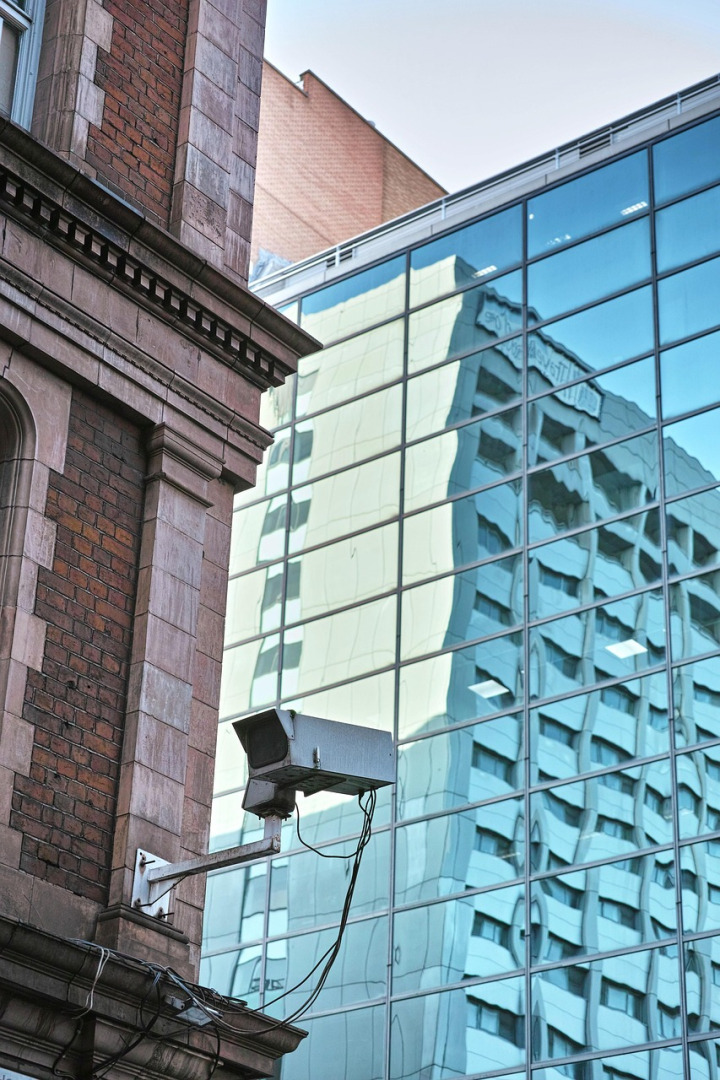
Fire Detection and Suppression Systems: A Must-Have for Industrial and Commercial Facilities
Types of systems, integration with building platforms and common mistakes to avoid in Nigeria and Ghana.

Intelligent CCTV Surveillance Systems: Beyond Cameras to Smart Security
From basic recorders to AI-driven analytics, remote monitoring and enterprise integrations.
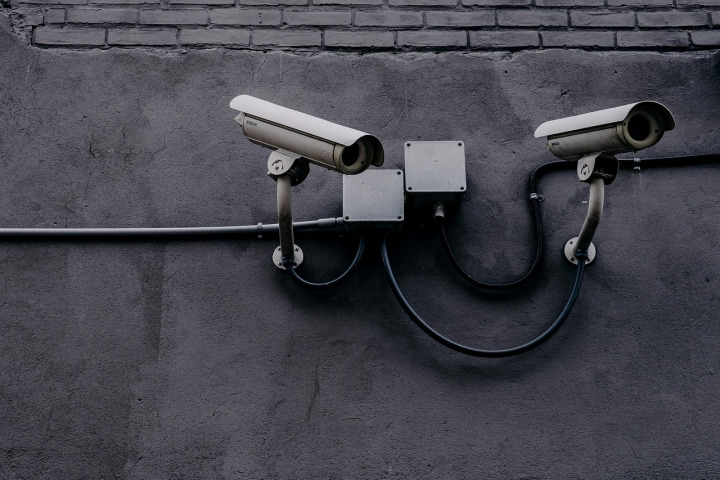
Integrated Security for Smart Cities & Urban Mobility
CCTV, analytics and command centers for transport corridors and city assets.

Access Control & Identity Governance for Tier-1 Enterprises
From credentialing to compliance—how to scale identity across facilities.
Designing Security Systems for Critical Infrastructure in West Africa
Critical infrastructure is the backbone of economic growth across Nigeria, Ghana and the broader region. Pipelines, telecom towers, industrial plants, public utilities and transportation assets demand a security posture that is engineered—not improvised. In this article, we outline a practical, standards-aligned approach to designing security systems for high-value, mission-critical operations.
Why critical infrastructure demands layered security
High-impact assets face a blend of physical, operational and cyber risks. A layered, defense-in-depth model reduces single points of failure and provides detection, delay and response at multiple stages. In West Africa, environmental conditions, long distances and power variability add real-world constraints that must be accounted for during design.
Start with rigorous risk assessment
Effective design begins with a structured assessment of threats, vulnerabilities and consequences. Map assets, access points and operational workflows. Identify insider and outsider threats. Quantify likelihood vs. impact, then prioritize mitigations. In our experience delivering security systems Nigeria programs and ELV systems West Africa-wide, a robust assessment phase is the highest-ROI activity in the lifecycle.
Perimeter protection as the first line
Perimeter intrusion detection and electric fencing form the earliest alert layer. Specify sensor types and fence energizers suited to local terrain and wildlife. Segment into alarm zones, tie events to cameras, and route alarms to a 24/7 command center. Design response playbooks so guards act on verified, high-confidence alerts rather than raw noise.
Intelligent surveillance that scales
Modern IP CCTV—augmented by video analytics—elevates security from reactive to proactive. Use cameras rated for heat, dust and corrosion. Standardize on open protocols for interoperability. Apply analytics (loitering, line-crossing, object-left, people/vehicle detection) where they add measurable value. Centralize management in a resilient VMS with health monitoring, retention policies and role-based access.
Fire safety integrated with operations
For plants, depots and data facilities, life-safety is inseparable from security. Align detection and suppression to EN and NFPA standards. Engineer addressable detection, gas or clean-agent suppression where appropriate, and ensure cause-and-effect matrices are tested during commissioning. Integrate with SCADA/BMS so events automatically trigger ventilation control, power isolation and notifications.
Telecom towers and remote sites
Distributed telecom infrastructure introduces power, connectivity and maintenance challenges. Design solar-hybrid power for continuity, include remote I/O for gate and cabinet monitoring, and standardize equipment to reduce truck rolls. Harden enclosures against theft and vandalism, and ensure remote firmware updates and diagnostics are available over secure channels.
Compliance, standards and uptime metrics
Reference ONVIF for video, EN54/NFPA for fire, ISO 27001 for information security processes and ISO 9001 for quality management. Define SLAs, MTBF/MTTR and uptime KPIs. Engineer redundancy (NVR failover, dual power, network paths) so service continuity is maintained during maintenance or faults.
Common pitfalls in Nigeria and Ghana
1) Underestimating power quality
Design for brownouts and surges with proper conditioning, ATS and battery autonomy sized to site risk and access constraints.
2) Overlooking environment ratings
Use devices with adequate IP ratings, corrosion resistance and temperature tolerances for coastal and inland conditions.
3) Closed systems that don’t integrate
Favor open standards and vendor ecosystems that support long-term interoperability and upgrades.
Measurable outcomes and continuous improvement
Define what success looks like before deployment: incident reduction, faster response, fewer false alarms, higher system availability. Instrument the system to collect evidence, then review performance quarterly. Over time, this converts security from a cost center to an operational capability that protects revenue and reputation.
Why partner with Bolps System & Technologies Ltd.
We design, deploy and maintain integrated solutions for pipelines, towers, utilities and industrial assets across West Africa—combining risk assessment, perimeter systems, intelligent CCTV, access control and fire safety into one coherent architecture.
Contact Bolps System & Technologies Ltd. for professional consultation.
Fire Detection and Suppression Systems: A Must-Have for Industrial and Commercial Facilities
Fire risk is a universal concern for banks, hotels, factories, data halls and schools. In Nigeria and Ghana, variable power, environmental factors and evolving regulation make properly engineered fire systems non-negotiable. This guide clarifies technology choices, design principles and integration points so leaders can invest wisely.
Detection technologies and when to use them
1) Point detection (smoke/heat)
Suitable for most conditioned indoor spaces. Addressable systems improve fault isolation and event reporting.
2) Beam detection
Ideal for large atria and warehouses where point detectors are impractical or too numerous.
3) Aspirating (VESDA)
High-sensitivity early warning for data centers and critical rooms.
4) Flame detection
Outdoor or hazardous areas with open flame risk; pair with ATEX-rated devices when required.
Why detection alone is not enough
Detection enables response; suppression limits damage. Clean-agent systems (e.g., inert gases, FK-5-1-12) are suited to IT rooms; pre-action sprinklers safeguard mission-critical areas; foam or water spray protects industrial processes. Select based on asset type, human occupancy and environmental constraints.
Integration with building and safety systems
Map cause-and-effect to ensure events trigger ventilation control, power isolation, access-control release and public address messages. Connect to BMS/SCADA so operations teams see one coherent picture during incidents. In our ELV systems West Africa deployments, we test every interlock during FAT and SAT before handover.
Compliance and standards to reference
Anchor designs to EN54 and relevant NFPA codes. Commission systems with certified technicians and maintain test logs. Where multinationals are involved, align to corporate standards and local requirements simultaneously.
Common mistakes in Nigeria (and how to avoid them)
1) Undersized standby power
Ensure batteries deliver mandated standby and alarm durations, considering heat derating and site access constraints.
2) Detector placement in harsh environments
Use the correct IP rating, install away from vents and dust sources, and plan periodic maintenance.
3) No integration with building controls
Without interlocks, staff must scramble manually under pressure. Engineer automation to reduce human error.
Testing, training and lifecycle maintenance
Commissioning is not a single day—it’s a process. Verify loop integrity, device addressing and alarm logic; conduct hot/cold smoke tests where appropriate; document everything. Train client teams with scenario drills and document SOPs. Plan preventive maintenance to keep false alarms low and system availability high.
Procurement guidance for decision-makers
Prioritize certified equipment, openness to integration, local parts availability and OEM support. Look for partners who provide engineering studies, documented design, factory-trained installation and SLA-backed maintenance. This turns a code requirement into a risk-reducing, value-creating system.
Contact Bolps System & Technologies Ltd. for professional consultation.
Intelligent CCTV Surveillance Systems: Beyond Cameras to Smart Security
For many organizations, CCTV still means cameras and recorders. d Todays reality is different: AI-driven analytics, centralized management and cross-system integrations are transforming surveillance into a strategic capability. This article explains how to upgrade from basic recording to intelligent security that scales across facilities and regions in West Africa.
From basic DVRs to enterprise-grade VMS
Legacy DVRs and NVRs record footage but provide limited insight. Enterprise video management systems (VMS) deliver centralized control, user roles, health monitoring, retention policies and evidence workflows. Specify open standards (ONVIF) and evaluate API maturity for integrations with access control and incident platforms.
Analytics that make operators smarter
Well-tuned analytics reduce fatigue and catch patterns humans miss. Common functions include line-crossing, loitering, object left/removed, people/vehicle classification, license plate recognition and occupancy counting. Deploy analytics only where they add operational value; measure false-positive rates and tune accordingly.
Remote monitoring and resilience
With distributed sites across Nigeria and Ghana, remote operations are a must. Engineer secure connectivity, bandwidth management and edge recording for continuity. Use health monitoring and alerts to flag camera failures, storage thresholds and network issues before they impact coverage.
Integration with access control and alarms
Connect video with credential events, intrusion alarms and visitor workflows. When a door forces or a fence alarms, operators should see the relevant video immediately. This is how security systems Nigeria buyers move from reactive review to proactive response.
Data governance and privacy by design
Establish user roles, audit logs, retention schedules and approved export processes. Mask or restrict sensitive scenes where appropriate. Ensure configurations align with organizational policy and applicable regional regulations.
Design considerations for West Africa
Specify environmental ratings for heat, dust, salt and humidity. Plan solar-hybrid or backup power and surge protection. Standardize models to simplify spares and maintenance. In ELV systems West Africa programs, these decisions lower lifecycle cost and improve uptime.
Measuring ROI and continuous improvement
Track fewer incidents, faster resolution time, improved compliance and higher system availability. Review analytics performance quarterly and retrain models where needed. Security becomes not just a control, but an operational advantage for safety, quality and customer experience.
Contact Bolps System & Technologies Ltd. for professional consultation.
Integrated Security for Smart Cities & Urban Mobility in West Africa
West Africa’s growing urban corridors require secure, resilient and data-driven safety infrastructure. This article explains how to architect integrated security for roads, BRT, rail, ports and city assets—so operators achieve unified situational awareness and measurable outcomes.
Command centers as the brain
Consolidate feeds from CCTV, ANPR, traffic sensors, emergency phones and field units into a central operations center. Use a standards-based platform to fuse alerts, workflows and evidence. Define roles, escalation paths and SLAs so incidents move from detection to resolution with minimal hand-offs.
Video analytics for mobility and city assets
Deploy analytics that improve operator signal-to-noise: wrong-way driving, lane encroachment, queue length, object-left, crowd density and perimeter breaches. Tune thresholds by corridor and time-of-day to reduce false alarms. Store metadata for trend analysis and planning.
Perimeter and public-realm protection
Secure depots, stations, bridges and critical nodes with layered protection—fencing, intrusion sensors, intelligent lighting and cameras. Pair alarm zones with auto-callups of adjacent cameras so operators verify in seconds.
Interoperability and open standards
Favor ONVIF-compliant video, standard protocols for field devices and open APIs for integrations. This de-risks long-term expansion and vendor changes common in ELV systems West Africa programs.
Power and connectivity in the African context
Engineer solar-hybrid power for poles and cabinets, surge protection and battery autonomy sized to site risk. Use managed backhaul (fiber, microwave, 4G/5G) with QoS for video streams and remote management.
Data privacy, governance and auditability
Implement privacy-by-design: masking, retention schedules, audit logs and tiered permissions. Align with agency policy and any applicable regional regulations. Document export processes for evidence handling.
Measuring impact
Define KPIs: incident clearance time, crash reduction, asset vandalism reduction, uptime. Use quarterly reviews to tune analytics, staffing and maintenance. Security becomes a performance lever for safety and mobility, not just a cost line.
Contact Bolps System & Technologies Ltd. for professional consultation.
Designing Access Control & Identity Governance for Tier-1 Enterprises
For banks, telecommunications operators and large enterprises, access control is no longer about opening doors—it’s about identity, compliance and auditability at scale. This article outlines how to design systems that unify credentials, policies and evidence across facilities and regions.
From badges to identity governance
Move beyond local card databases to centralized identity where HRIS is the source of truth. Enforce role-based access, time-and-attendance policies and visitor onboarding. Every access event should be attributable to a unique person with a provable audit trail.
Architecture for scale and resilience
Standardize on enterprise-grade controllers and readers. Segment networks, encrypt credentials and implement fail-safe/fail-secure behavior by risk zone. Engineer redundancy in controllers and back-end services, especially for 24/7 sites.
Integration with video, alarms and SOC workflows
Join access events with nearby video, intrusion and incident platforms so operators see context instantly. When a door forces or a high-risk access occurs after hours, the SOC should receive the video view with the credential record in one place.
Credentialing and lifecycle management
Automate onboarding, changes and revocation. Align with HR, contractors and vendors. Use scheduled access for projects and contractors, and remove credentials automatically when offboarding triggers.
Compliance and reporting
Design reports that satisfy audits: who accessed what, when and under what authorization. Retain logs per policy and secure exports. In security systems Nigeria and regional programs, we map reporting to corporate and regulatory needs up front to avoid costly retrofits.
Physical design and user experience
Match reader types and mounting to traffic and environment. Use anti-passback and mantraps for high-security zones. Keep flows efficient at peak periods with barrier selection and queuing design.
Protecting privileged and remote access
Harden admin roles with MFA and approvals. For remote facilities, implement remote unlock with dual authorization and video verification.
Why this matters for enterprises in West Africa
With distributed workforces and multi-site operations, identity governance reduces risk, improves audit readiness and simplifies operations. The result: faster investigations, fewer policy violations and higher stakeholder confidence.
Contact Bolps System & Technologies Ltd. for professional consultation.
